

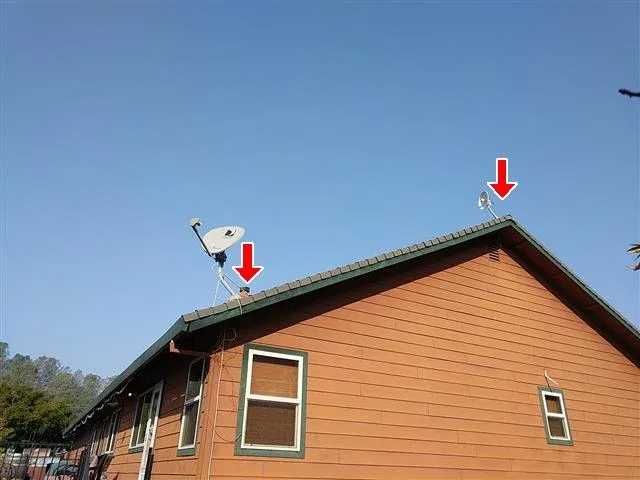
Buying a home in California is a significant financial decision, and understanding the property’s condition before closing is essential. A professional home inspection helps buyers identify visible defects, safety concerns, and maintenance issues that may require attention. Whether you are purchasing a house in Sacramento, Roseville, Folsom, or another California community, knowing what an inspector checks can help you prepare for the process and make informed decisions.
1. Roof and Exterior Components
The roof protects a home from rain, wind, and weather-related damage. During an inspection, the inspector evaluates accessible roofing components and visible exterior conditions.
Common inspection points include:
- Missing, damaged, or deteriorated roofing materials.
- Visible flashing problems around chimneys and roof openings.
- Gutters and downspouts that appear damaged or improperly connected.
- Exterior siding, trim, doors, and windows.
- Grading and drainage conditions around the foundation.
- Visible cracks or other signs of exterior deterioration.
California’s hot summers can accelerate wear on some roofing materials. Inspectors may recommend further evaluation when they observe potential leaks or significant deterioration.
2. Foundation and Structural Components
A home’s foundation and structural framework support the entire building. Inspectors look for visible conditions that could indicate movement, deterioration, or moisture-related problems.
They commonly examine accessible foundation areas, floors, walls, ceilings, and structural components.
Potential warning signs include:
- Significant or unusual cracks in foundation walls.
- Uneven floors or visibly displaced structural elements.
- Doors and windows that do not operate properly.
- Noticeable separation around walls, ceilings, or exterior openings.
- Signs of water intrusion near the foundation.
Not every crack indicates a serious structural defect. If an inspector identifies concerning conditions, a qualified structural engineer may be needed to determine the cause and appropriate corrective measures.
3. Electrical System
Electrical problems can create serious safety risks. A home inspector examines visible and accessible electrical components to identify deficiencies that may require repair or specialist assessment.
The inspection may include:
- The electrical panel and visible wiring.
- Accessible switches, outlets, and light fixtures.
- Visible signs of overheating or damaged electrical components.
- Ground-fault circuit interrupter (GFCI) protection where applicable.
- Exposed wiring or other apparent safety concerns.
Inspectors generally do not dismantle electrical systems or inspect concealed wiring. Buyers should arrange an evaluation by a licensed electrician if the report identifies significant electrical concerns.
4. Plumbing System
Plumbing inspections focus on visible pipes, fixtures, drainage, and signs of leakage. Water damage can remain hidden behind walls or beneath flooring, so early identification of visible warning signs is valuable.
Inspectors may check:
- Faucets, sinks, toilets, and accessible showers.
- Visible supply pipes and drain lines.
- Water pressure and drainage performance at fixtures.
- Leaks, corrosion, or moisture stains.
- Accessible water heaters and visible connections.
In older California homes, aging pipes or previous repairs may deserve additional attention. A standard inspection does not guarantee that concealed plumbing is defect-free.
5. Heating, Ventilation, and Air Conditioning
California experiences considerable temperature variation between regions and seasons. A properly functioning heating and cooling system contributes to indoor comfort and energy efficiency.
Inspectors generally evaluate accessible HVAC equipment using normal operating controls when conditions permit.
They may review:
- Heating and cooling equipment operation.
- Accessible thermostats and controls.
- Visible ductwork and ventilation components.
- Air filters and apparent maintenance concerns.
- Unusual operating noises or visible equipment deterioration.
A standard home inspection is not a comprehensive HVAC service assessment. Specialist testing may be recommended if the equipment performs poorly or appears damaged.
6. Interior Rooms, Windows, and Doors
Inspectors examine accessible interior areas for visible damage, operational problems, and conditions that could affect everyday use.
Typical checks include:
- Walls, ceilings, and floors for visible deterioration.
- Windows and doors for basic operation.
- Stairways, handrails, and accessible safety features.
- Signs of moisture, staining, or possible mold growth.
- Kitchen cabinets and permanently installed appliances within the inspection scope.
Inspectors document observable concerns but generally do not move heavy furniture or remove finished surfaces to investigate concealed defects.
7. Attic, Ventilation, and Insulation
When safely accessible, the attic can reveal important information about roof conditions, ventilation, and insulation.
Inspectors may look for:
- Visible roof framing damage.
- Signs of roof leaks or moisture intrusion.
- Apparent ventilation deficiencies.
- Insulation coverage and visible deterioration.
- Evidence of pests or other concerning conditions.
Access restrictions, stored belongings, or unsafe conditions may limit the inspection.
8. What a Standard Home Inspection Does Not Include
California buyers should understand that a standard inspection is primarily a visual assessment of accessible components. It is not an exhaustive investigation of every possible property defect.
Additional inspections may be appropriate for:
- Wood-destroying organisms and termite concerns.
- Mold testing or indoor air-quality questions.
- Sewer lines and underground plumbing.
- Pools, spas, septic systems, or wells.
- Specialized structural or environmental concerns.
Ask your inspector about the agreement, limitations, and any recommended specialist evaluations.
Conclusion
A professional home inspection helps California buyers understand a property’s visible condition before making a major investment. Reviewing the roof, foundation, electrical and plumbing systems, HVAC equipment, interior spaces, and accessible attic areas can reveal issues that deserve further investigation. However, an inspection cannot guarantee that every defect will be discovered.
Schedule Your Home Inspection
Planning to purchase or sell a home in Sacramento or a nearby community? Home Inspection Sacramento can help you understand the importance of evaluating your property’s condition before making a major real estate decision. Contact the team to learn more about home inspection services, inspection scope, and potential property concerns. A professional inspection can help you make informed decisions and plan your next steps with greater confidence.